Column · @bloomjournal57
How Imported Blooms Reach the Flower Counter
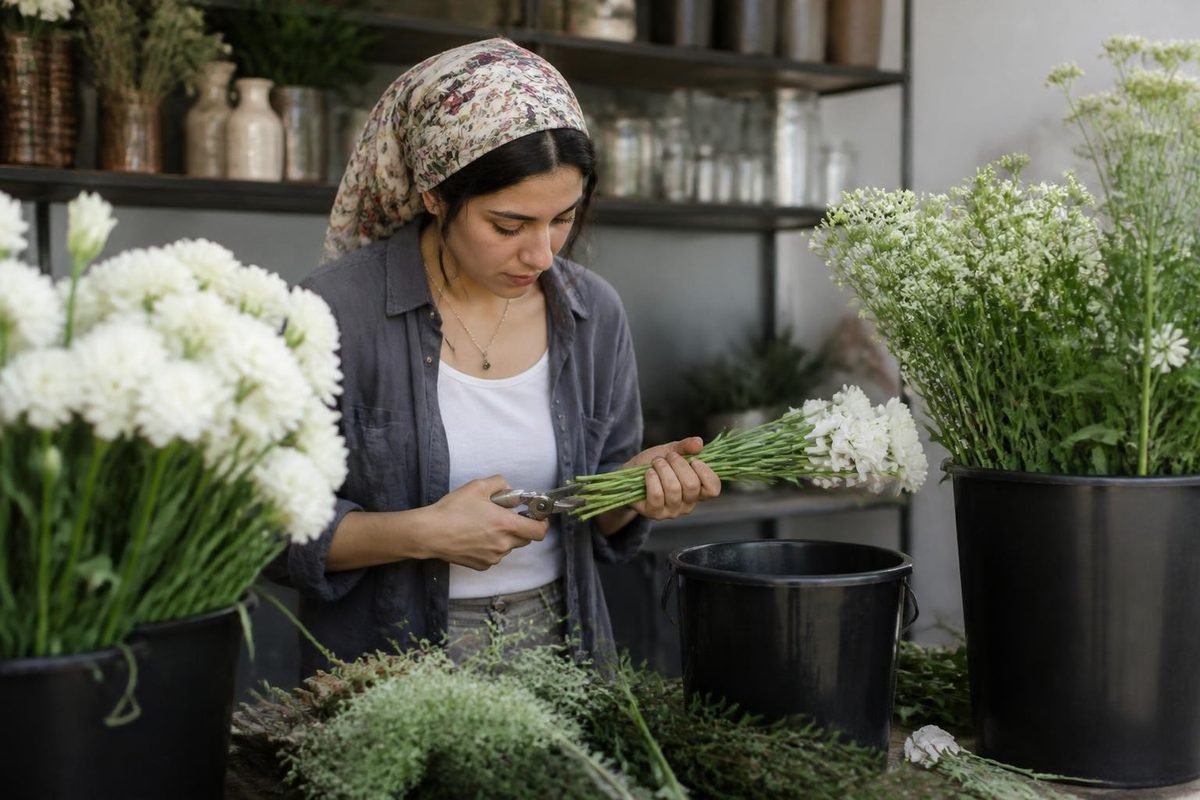
Imported flowers are cut, packed and moved across borders before a florist can arrange them. Growers, transport crews and distributors help guard each shipment against heat, knocks and delays, and inspectors may check for pests or plant diseases.
Harvest, packing and cooling
The process starts on a flower farm, where stems are cut at a stage that suits both the variety and its destination. Some flowers are picked with buds still mostly closed, giving them time to open during or after the trip. The best stage depends on the flower: roses and fully open sunflowers, for example, are not prepared for travel in exactly the same way.
After harvest, workers sort the stems for features such as length and appearance. They may strip away some leaves, group the flowers into bunches, then place them in water or a treatment solution. Packing helps limit bruising and keeps stems from shifting around. Some flowers travel in boxes without water; others are shipped in containers that hold it.
Many cut flowers are cooled soon after they are picked. Cooler conditions can slow ageing and reduce water loss, but a single temperature does not suit every kind. Certain tropical flowers can be harmed by excessive cold and need different handling.
Moving through transport and inspection
The route may involve a plane, truck or ship, depending on distance, timing and the shipment. A box might leave the farm for a packing site, then pass through an airport or seaport and a distribution centre. At each handoff, careful treatment counts. Even a brief spell in too much heat can reduce the life of some stems, much as flowers left in a warm car at home may wilt sooner.
- Farm workers harvest, sort and pack the flowers.
- The shipment travels with temperature management suited to its flowers and route.
- Officials check paperwork and may examine flowers for pests or disease.
- A wholesaler or distributor receives the shipment and forwards it to florists.
Import requirements vary according to the country and the plant. A shipment may need a certificate showing that it meets plant health rules. If an inspection uncovers a concern, the flowers may be held up, treated, denied entry or destroyed, depending on the problem and the applicable rules.
From wholesale delivery to the shop
At a wholesaler or florist, staff may open the packages, recut the stems and stand them in clean water. Flowers that arrived packed dry can then begin taking up water again. Staff may also remove leaves or petals that have been damaged and sort stems before they are offered for sale.
The florist stores and prepares the flowers for bouquets and other arrangements. A bunch on the counter reflects several stages of care, not just its flight or drive: the time it was harvested, how it was packed, the temperatures it experienced and how it was handled after arrival all matter.
For advice on keeping a particular bunch fresh, ask your florist about those stems. For many cut flowers, start by making a fresh cut, using clean water and choosing a place away from heat. A vase beside a sunny window or a radiator may not be the best spot.
More background: gift delivery abroad guide